
Best Clienteling Platforms for Retail Personalisation
21/09/2026 | by Lucy Lefroy
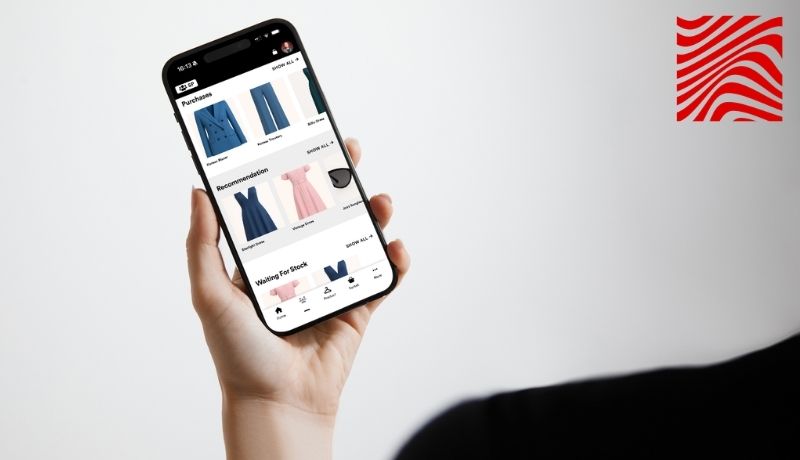
Retail personalisation has moved far beyond greeting a loyal customer by name. Today, store teams need a complete view of each customer, relevant reasons to get in touch and simple tools that help them act at the right moment.
That is where a clienteling platform comes in.
The strongest platforms bring customer, product and transaction data into the hands of store associates. They turn that data into useful recommendations, tasks and conversations across channels. But the market includes everything from focused relationship-building apps to broad store technology suites, so the right choice depends on your retail model, existing technology and ambitions.
This guide compares six leading clienteling platforms through three factors that matter most to retail operations and customer experience leaders:
- Personalisation depth: How well can teams tailor service, recommendations and outreach to each customer?
- Customer data activation: Can the platform turn data from CRM, ecommerce, POS and other systems into clear next actions?
- In-store usability: Is it genuinely useful and intuitive for busy store teams?
What is a clienteling platform?
A clienteling platform gives store associates access to the customer information and tools they need to deliver more personal service. This can include purchase history, preferences, wish lists, product availability, appointments, communications and recommended actions.
Unlike a traditional CRM, a clienteling platform is designed for the realities of retail. It should help an associate prepare for an appointment, recommend an item, follow up after a purchase, invite a customer to an event or complete a transaction without moving between multiple systems.
The best solutions also connect physical and digital channels. This gives customers a consistent experience whether they shop in store, online, through an appointment or by messaging a trusted associate.
The best clienteling platforms at a glance
| Platform | Best suited to | Personalisation depth | Data activation | In-store usability |
|---|---|---|---|---|
| Proximity | Mid-sized and enterprise retailers seeking a dedicated, global client engagement platform | High | High | High |
| Tulip | Large retailers looking for clienteling within a broad store technology suite | High | High | Medium |
| NewStore | Mobile POS and order management | Medium | Medium | Medium |
| Endear | Growing brands seeking plug and play clienteling | Medium | High | High |
| Red Ant | Retailers seeking a configurable store associate platform | High | Medium | Medium |
| BSPK | Luxury brands prioritising AI-assisted clienteling | Medium | High | Medium |
Proximity: best for overall clienteling and data-driven customer engagement
Proximity is a dedicated client engagement platform built for mid-sized and enterprise retailers. It brings clienteling, appointments, events, transactions, task management and performance insight into one app for store teams.
Its strength is turning customer data into practical, human interactions. Associates can view customer profiles and purchase history, manage their client books, find relevant products and communicate through multiple channels. Retailers can create targeted tasks and campaigns centrally while still allowing associates to make each conversation personal.
Proximity is particularly well suited to premium, luxury and service-led retailers where long-term customer relationships matter. Its modular structure also allows retailers to develop their client engagement strategy over time rather than replacing their entire commerce stack.
Key strengths
- Combines clienteling, appointments, events, transactions, tasks and analytics
- Designed around day-to-day use by store associates and managers
- Activates data from ecommerce, POS, CRM and customer data platforms
- Supports a wide range of global communication channels
- Enables remote selling and pay-by-link alongside in-store service
- Gives head office visibility of activity, adoption and attributed performance
Considerations
Proximity is aimed at retailers that want a strategic client engagement capability. Very small brands looking for a basic shared inbox or simple contact list may not need its full breadth.
Best for: Retailers that want to connect customer data, store teams and personalised engagement across the complete customer journey.
How to choose the right clienteling platform
A feature checklist alone will not tell you whether store teams will use a platform or whether it will improve customer engagement. The buying process should start with the outcomes and workflows that matter most.
1. Define the customer experience you want to create
Decide how clienteling should change the experience for both customers and associates. Priority use cases might include:
- Personalised post-purchase follow-up
- Product launches and back-in-stock alerts
- Appointment and event management
- Lapsed customer re-engagement
- Remote selling and payment links
- Recommendations based on preferences and purchase history
- Cross-store and cross-channel customer recognition
Clear use cases make it easier to compare platforms and avoid paying for capabilities your teams will not use.
2. Understand how customer data will be activated
A clienteling platform does not necessarily need to replace your CRM or customer data platform. It should make the data held in those systems useful to frontline teams.
Ask vendors how the platform will:
- Combine online and in-store purchase history
- Work with your POS, ecommerce, CRM and customer data platforms
- Handle identity, consent and communication preferences
- Surface insights and recommended actions to associates
- Return engagement and transaction data to your wider technology stack
- Measure influenced and attributed revenue
The objective is not simply more data. It is better decisions and more relevant customer conversations.
3. Test the in-store experience
Adoption is one of the biggest determinants of clienteling success. Ask store associates and managers to test realistic workflows during the selection process.
Can they find the right customer quickly? Is it easy to understand why they should get in touch? Can they move from insight to message, appointment or transaction without unnecessary steps? Can a manager see what needs attention?
The strongest platform is the one teams can use naturally during a busy trading day.
4. Look beyond messaging
Messaging is important, but effective customer engagement also involves preparation, service and follow-through. Consider whether the platform can support appointments, events, tasks, product discovery, remote transactions and performance management as your strategy develops.
5. Plan for rollout and adoption
Technology alone will not create a clienteling culture. Ask prospective partners how they support implementation, training, governance and ongoing adoption.
Useful measures include active users, customers contacted, response rates, appointments booked, conversion, attributed sales, customer retention and average customer spend. These should be visible at associate, store, region and brand level where appropriate.
Frequently asked questions
What is the difference between a CRM and a clienteling platform?
A CRM stores and manages customer information across the business. A clienteling platform is designed to help retail associates use that information in customer-facing workflows, such as recommendations, outreach, appointments, events and sales. The two systems often work together.
Can a clienteling platform work with a customer data platform?
Yes. A customer data platform can unify customer information and build profiles or audiences, while the clienteling platform activates those insights through store teams. The quality and speed of the integration are important factors to assess.
How does clienteling improve retail personalisation?
Clienteling gives associates context about each customer’s history, preferences and behaviour. It helps them make more relevant recommendations, communicate through the right channel and provide continuity across stores and digital touchpoints.
Is clienteling only for luxury retail?
No. Clienteling is valuable wherever considered purchases, repeat business or personal service influence customer loyalty. It is used across fashion, beauty, jewellery, homeware, department stores and other specialist retail categories.
What should retailers measure after implementing a clienteling platform?
Retailers should track adoption and activity alongside commercial and customer outcomes. Useful measures include active users, outreach volume, response rate, appointment conversion, average order value, repeat purchase rate, attributed revenue and the performance of clienteled customers compared with non-clienteled customers.
Turn customer data into better retail relationships
Proximity helps retail teams turn customer insight into timely, personal engagement across stores and digital channels. From clienteling and appointments to events, transactions, tasks and analytics, it brings the tools associates need into one connected platform.
Book a demo to see how Proximity can help your teams sell more, build loyalty and stay ahead.

Written by Lucy Lefroy
A marketing and communications specialist who has been working with global brands for over 14 years, Lucy is passionate about strategy, storytelling, and creative campaigns that provoke conversation and connection. Previous clients include Kimberly-Clark, LV=, P&O Ferries, Disney, TUI, Kuoni.
More From Lucy Lefroy